




Bangladesh Election 2026: Tarique Rahman’s BNP Delivers Crushing Victory, Claims Over 209 Seats in Sweeping Mandate
By State Correspondents News Desk | February 13, 2026 |
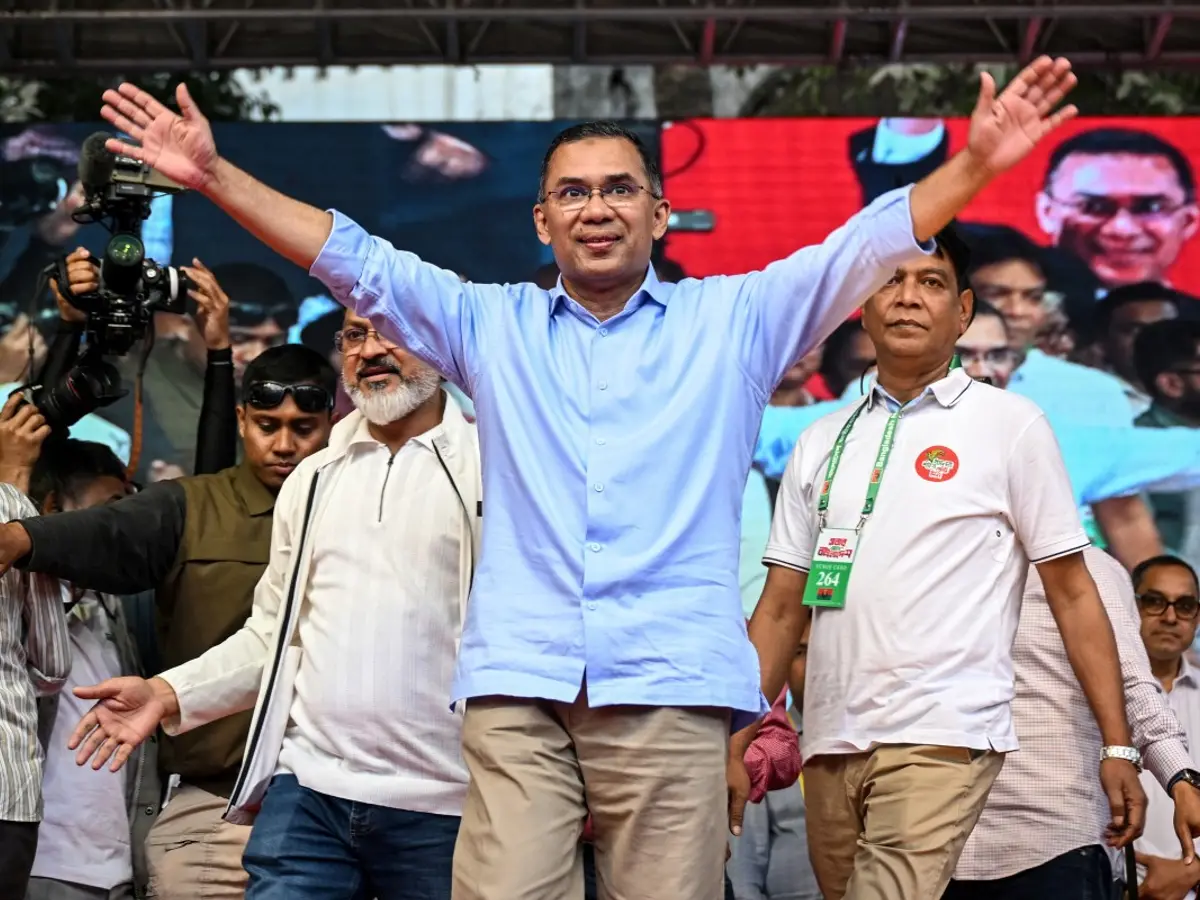
In a seismic shift for South Asian politics, the Bangladesh Nationalist Party (BNP), under the stewardship of Tarique Rahman, has clinched a resounding triumph in the nation’s 13th parliamentary elections held on February 12, 2026. With results pouring in from across the country, BNP and its allies surged past the two-thirds majority threshold, securing more than 209 seats in the 300-member Jatiya Sangsad. This outcome marks the first credible democratic contest since the dramatic 2024 youth-led uprising that toppled long-time leader Sheikh Hasina.
BNP’s Dominant Performance Across Key Regions
The BNP’s campaign machinery proved unstoppable, particularly in urban strongholds. In Dhaka, the party swept all five district seats—Dhaka-1, Dhaka-2, Dhaka-3, Dhaka-19, and Dhaka-20—demonstrating ironclad voter loyalty amid economic hardships and calls for reform. Tarique Rahman himself triumphed in dual contests from Bogura-6 and Dhaka-17, amassing over 170,000 votes in Bogura alone against rivals from Jamaat-e-Islami.
Early tallies from the Election Commission revealed BNP holding 165 seats independently, with coalition partners pushing the total to 204-212 depending on final counts. Projections from Jamuna TV and Dhaka Tribune confirmed the supermajority, enabling unfettered policy execution. Voter turnout hovered around 48-55%, with over 127 million eligible citizens participating under the watchful eye of interim chief Muhammad Yunus.
Political Context: Post-Uprising Transformation
This election arrives 18 months after the Gen Z-fueled revolution that ended Hasina’s 15-year Awami League reign, marred by allegations of authoritarianism. The Awami League remains banned, paving the way for BNP’s resurgence. Jamaat-e-Islami, once an ally turned foe, emerged as runner-up with 62-76 seats, led by Shafiqur Rahman who conceded gracefully, pledging “positive politics” over confrontation.
The National Citizen Party (NCP), representing youthful revolutionaries, scraped just five seats from 30 contested, underscoring the enduring pull of established players. A simultaneous referendum endorsed reforms like neutral caretaker governments, bicameral parliament, women’s quotas, judicial bolstering, and a two-term PM limit—aligning with BNP’s manifesto.
Tarique Rahman’s Vision and BNP Promises
Son of former PM Khaleda Zia and President Ziaur Rahman, 60-year-old Tarique Rahman returned from 17 years in exile last December to spearhead the BNP. His platform emphasized aid for low-income households, economic revival via foreign investment, anti-corruption drives, and a 10-year PM tenure cap. Party spokespersons hailed the win as “historic,” with Rahman poised for premiership.
BNP leaders like Mahdi Amin stressed no time for celebrations, focusing on governance. The victory signals thawing ties with Pakistan and investor optimism in sectors like manufacturing, fintech, and infrastructure.
Regional Ripples and India’s Watchful Eye
For neighboring India, the BNP’s ascent raises prospects of recalibrated diplomacy. Strained under Hasina, Dhaka-Islamabad relations may warm, potentially impacting South Asian stability. Observers note BNP’s pro-business stance could spur trade, but Islamist influences via Jamaat warrant monitoring.
Internationally, the polls drew praise for fairness, with EU and others preparing responses to regional dynamics. Bangladesh’s democratic reboot offers lessons in post-uprising transitions, blending youth energy with veteran strategy.
Challenges Ahead for New Government
Despite the mandate, BNP faces daunting tasks: revitalizing an economy battered by floods and unrest, tackling youth unemployment, and mending communal divides. Promises of judicial independence and anti-graft measures will test resolve. With a supermajority, failure risks backlash from the very Gen Z cohort that reshaped 2024.
As Dhaka buzzes with festivities, Tarique Rahman’s BNP steps into power at a pivotal juncture. This landslide not only rewrites Bangladesh’s political map but heralds a new era of accountability and growth in the densely populated delta nation. State Correspondents will track cabinet formations and policy rollouts closely.